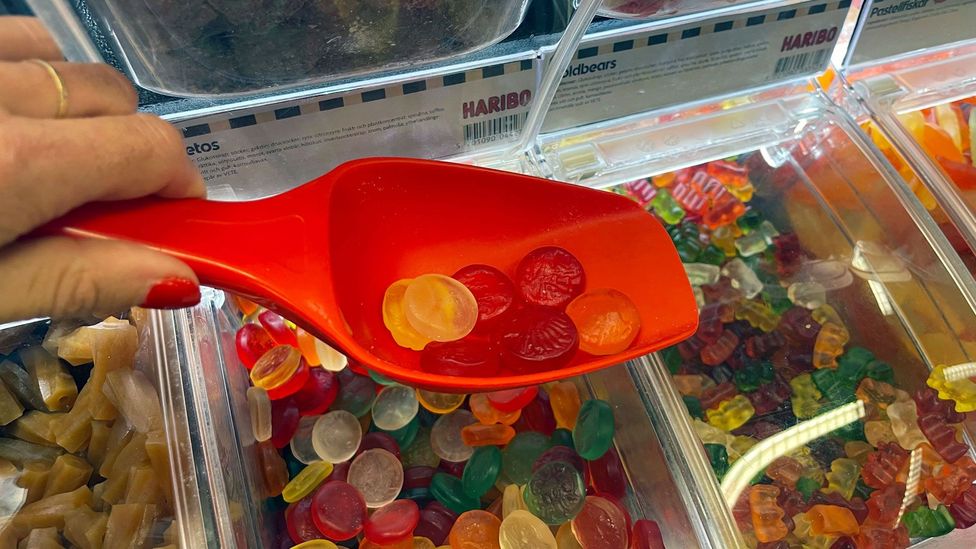
On a Saturday afternoon, the cobblestones of Stockholm’s Liljeholmen square are abuzz with families weaving in and out of the local shopping mall. Look closely, and you’ll spot children tightly clutching a perennial weekly accessory: a bag of loose pick-and-mix.
Swedes are so into the norm of buying and eating candy on Saturdays they’ve even got a special word for it: lördagsgodis, whichliterally translates to ‘Saturday sweets’.
“Lördagsgodis has always been ‘a thing’,” says Robert Lundin, who grew up in the 80s and has just bought marshmallows with his five-year-old daughter. “You wait for Saturday to get your candy. And it's like a small, big event with your parents. And now I do it with my daughter as well.”
The lördagsgodis concept dates to the 1950s. Swedish medical authorities began recommending sweets as a once-a-week treat, to try and limit rising cases of tooth decay as the country became richer, says Sofi Tegsveden Deveaux, an author and lecturer on Swedish culture and values. Swedes’ propensity to “trust the state a lot” encouraged them to follow and stick to the advice to restrict eating sweets to Saturdays, she argues, with the trend evolving into the beloved family-oriented activity that exists today.
“The kids like it, and kids need some good things for themselves,” says Hui Jiang, 34. She moved to Sweden from China a decade ago, and has adopted the tradition within her children, who begin jumping up and down the moment lördagsgodis is mentioned.
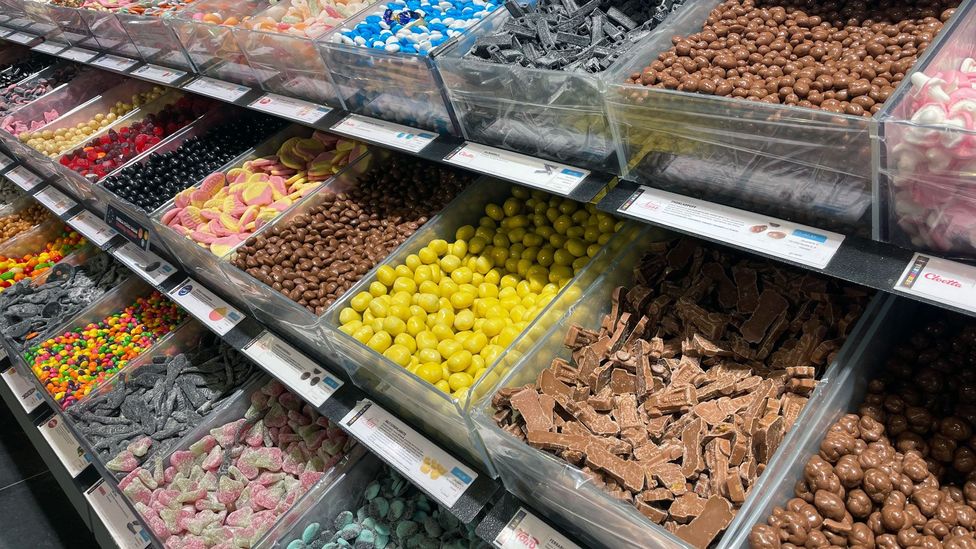
On Saturdays in Sweden, families head into sweets shops and load up on their once-weekly penny candy treats (Credit: Maddy Savage)
This penny candy is a sweet treat for anyone looking to unwind from the week. But cultural commentators and economists alike argue there’s a lot more to be learned from the lördagsgodis tradition – particularly, it encourages children to start thinking about weekly budgeting, and feeds into a culture that champions independence from a young age.
“My children got their bank cards when they were six years old, and every week I deposit 20 kronor into them. Then they go to the store every Saturday and count out sweets into a bag,” says Tegsveden Deveaux, who has seven-year-old twins. “They have to budget for their Saturday candy, and if they want to buy toys or something else that they do not ‘need’,” she explains. In her local store, 20 kronor can buy up to 40 loose pick-and-mix. Her daughter tends to come home with a bulging bag, while her son chooses to buy fewer and lighter sweets so he has more money left in his account.
Promoting financial freedom
While fizzy cola bottles, red jelly lips or salted liquorice might initially seem unlikely symbols of financial freedom, Tegsveden Deveaux says her family is far from alone when it comes to using these lördagsgodis staples as an early lesson in money management. Penny sweets are typically among the first items children regularly spend money on if they’re given weekly pocket money, she says, which has been commonplace in Sweden since the 1960s.
Around seven out of 10 Swedish children currently get a weekly or monthly allowance, according to 2020 data shared by Swedbank, one of the country’s high-street banks. Six out of 10 parents surveyed said they and their children had some form of agreement about what their money should be used for.
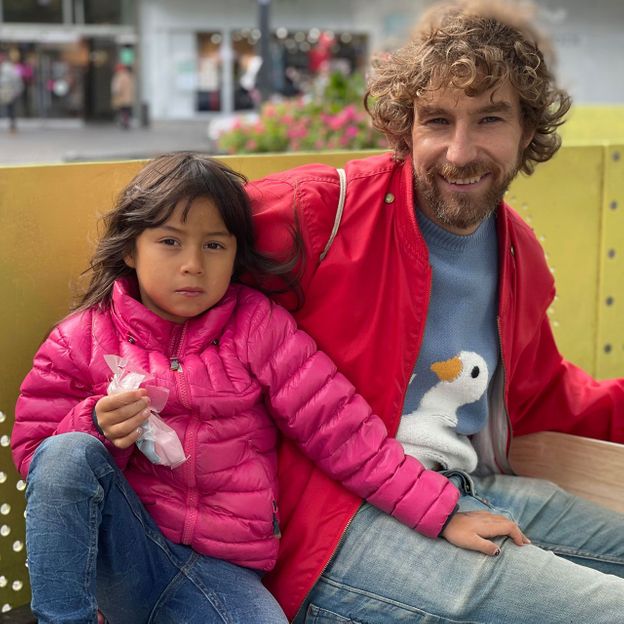
Robert Lundin celebrated the lördagsgodis tradition while growing up in the 80s, and now does it with his own daughter (Credit: Maddy Savage)
Americo Fernández, a household economist and personal-finance podcaster for SEB, another major Nordic bank chain, agrees the lördagsgodis tradition is “definitely” a useful tool in helping Swedish children to understand the value of money.
“It's difficult to talk to an eight-year-old small person and try to explain to them the importance of saving,” he argues. By contrast, giving children money to put aside for weekly sweets or other small luxuries can teach them about basic financial planning. “It's [easier] to understand that if I give you 20 kronor, if you spend it now, you won't have any more during the rest of the month, for example, or the week.”
Swedbank’s research suggests the average weekly pocket money for a seven-year-old in Sweden is 20 kronor ($2.30, £1.70). This rises to 500 kronor a month at the age of 15, when it becomes more common for children to put this towards clothes or activities with friends, such as meals out or going to the movies. There’s strong evidence that encouraging financial responsibility from a young age is connected to healthy saving habits: more than seven out of 10 parents surveyed by Swedbank said their children were either sometimes or always able to save part of their allowance.
“Most Swedish parents increase the weekly or monthly allowance gradually, but with each increase, the children are responsible for one more thing that they must buy themselves,” explains Tegsveden Deveaux.
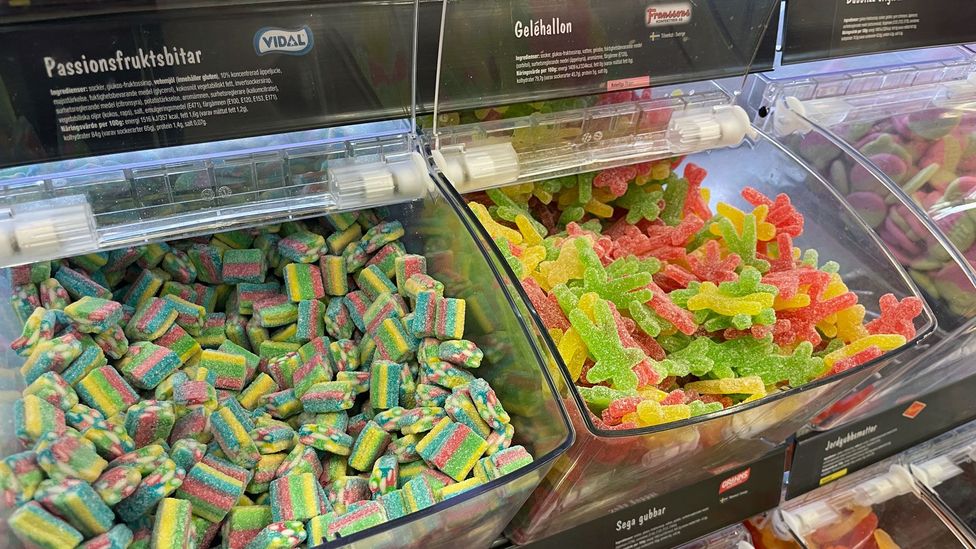
20 kronor ($2.30, £1.70) can buy up to 40 loose pick-and-mix in some stores (Credit: Maddy Savage)
The role of the state
Americo Fernández believes parents in other countries could learn a lot from Swedes’ tendency to talk about budgeting and personal finances with children from a young age, at a time when household debt is rocketing around the world. But he says it’s important to put Swedes’ spending habits in the context of the country’s long history of social welfare and a culture that promotes individualism and independence at all ages.
Education is free and healthcare is state subsidised in Sweden, which can help reduce families’ financial pressures. Plus, all parents, regardless of income, are entitled to a monthly child benefit of 1,250 kronor ($144, £105) a month, until their child turns 16. This, explains Fernández, “gives practically everyone the possibility to either save for their children or give them a weekly or monthly allowance” in a way that simply isn’t possible in many other societies.
When Swedish children turn 16, the state stops paying child benefit to their parents and starts giving them the same amount directly as a form of study grant, as long as they remain in education. “So, the idea with the weekly or monthly allowance is you're slowly building up towards that [study] sum,” adds Tegsveden Deveaux. “It's quite a smooth transition from being given money from their parents to being given money by the state.”
At Liljeholmen’s shopping complex, 35-year-old Fanny Hökby vividly recalls that she “wasn’t very good” at saving her first pocket money, which she mostly spent on lördagsgodis and toys. But by the age of 16 she’d figured out how to use her study grant to budget for clothes, gifts and outings with friends, and she agrees that a monthly allowance can be an educational tool for children and young people.
Swedes are so into the norm of buying and eating candy on Saturdays they’ve even got a special word for it: lördagsgodis
Tegsveden Deveaux says many Swedish parents believe giving children pocket money from a young age also helps prepare them for budgeting with further education student grants and loans if they continue studying, or spending their first salaries after high school. Swedes typically leave their family home at the age of just 18 or 19, earlier than most Europeans.
“Young Swedes ...They have to take care of themselves pretty fast, even though they get a lot of subsidies from the state and student loans,” agrees Fernández. “That's a huge difference [to some countries]. For example, when I studied abroad in Spain, if I compare it with that, I saw a lot of my peers still living at home, still being supported by their parents, and still after university, still living at home.”
The future of lördagsgodis
Whether children are taught to budget using coins and notes or bank transfers and apps, there’s little debate in Sweden about whether or not the lördagsgodis trend will continue – even as Sweden moves increasingly toward a cashless society and digital wallets.
“I think that the tradition will continue of children spending their first allowances on candy… I don't see that changing,” argues Fernández.
However, he points out it’s becoming more common to indulge in the likes of fizzy snakes or foam bananas on weeknights, too, with national data suggesting the consumption of chocolate and confectionery has been rising steadily in recent years. “People may be starting to eat more [sweets] during the week, but they will still not let go of the traditional lördagsgodis,” agrees Deveaux. “It’s really deeply ingrained.”
On Liljeholmen’s cobbles, 38-year-old Hanna Sjöberg is rushing back from the shops to catch the tram with her partner and their eight-year-old daughter. But she responds in a flash when asked whether her family embraces lördagsgodis on a weekly basis. “Yeah. Otherwise there would be lots of tears!”

Good morning! Day of big typhoon, lucky we don't have to go out! Enjoy the interesting article.
瑞典人習慣於在星期六購買和吃糖果,他們甚至為此有了一個特殊的詞:lördagsgodis 父母會給零用錢到孩子的提款卡裡,促進財務自由,讓小孩從小有理財的觀念,lördagsgodis 的概念可以追溯到 1950 年代。瑞典醫療機構開始推薦將甜食作為每週一次的零食,以嘗試限制隨著國家變得更加富裕而不斷增加的蛀牙病例,隨著這一趨勢演變成今天存在的受人喜愛的以家庭為導向的活動。傳統的 lördagsgodis已根深蒂固的植在瑞典人的心理,他們會繼續延續傳統。 “Yeah. Otherwise there would be lots of tears!” 當然,否則會淚流滿面 “I think that the tradition will continue of children spending their first allowances on candy… I don't see that changing,” “我認為孩子們將第一筆零用錢花在糖果上的傳統會繼續下去……我認為這種情況不會改變,” “It's quite a smooth transition from being given money from their parents to being given money by the state.” “從父母給錢到國家給錢,這是一個非常平穩的ˋ制度。” Tegsveden Deveaux says many Swedish parents believe giving children pocket money from a young age also helps prepare them for budgeting with further education student grants and loans if they continue studying, or spending their first salaries after high school. Tegsveden Deveaux 說,許多瑞典父母認為,如果孩子們繼續學習,或者在高中畢業後花掉他們的第一筆工資,那麼從小就給孩子零用錢也有助於他們為繼續教育的學生助學金和貸款做預算。 However, he points out it’s becoming more common to indulge in the likes of fizzy snakes or foam bananas on weeknights 然而,他指出在工作日晚上沉迷於汽水或泡沫香蕉之類的東西變得越來越普遍
今天的文章比較長 大家加油💪😍
瑞典有個習俗—lördaqsqodis字面的意思大概是「假日的糖果」,經濟學家覺得這個習俗會有助於鼓勵孩子們思考關於金錢方面的預算和訓練未來的經濟獨立。lördaqsqodis就像是早期的資金管理課程,給孩子買糖果或買其他奢侈品的錢,可以教他們關於基本的財務規劃。 1.Otherwise there would be lots of tears!/否則會有很多眼淚! 2.It's difficult to talk to an eight-year-old small person and try to explain to them the importance of saving./很難對一個八歲的小孩解釋儲蓄的重要性。 3. she "wasn't very good" at saving her first pocket money./她不是很會存零用錢。 4. Swedes' spending habits in the context of the country's long history of social welfare and a culture that promotes individualism and independence at all ages./瑞典人的消費習慣,隨著在該國悠久的社會福利歷史和文化,促進個人主義和獨立的所有年齡。 5. Penny sweets are typically among the first items children reqularly spend money on./便士糖果通常是孩子們重新花錢買的第一批物品之一。
1. 瑞典人每星期六都會去買和吃糖果甚至有一個特別的詞:盧達戈斯戈迪斯,這件事鼓勵孩子們開始考慮每周的預算,家長和孩子在錢應該用於什麼方面達成了某種形式的共識。有強有力的證據表明,從小鼓勵經濟責任與健康的儲蓄習慣有關,每周或每月津貼的想法是,從父母給錢到國家給錢,變成一個相當平穩的過渡。 2. The kids like it, and kids need some good things for themselves 孩子們喜歡它,孩子們也需要一些好東西給他們自己 they and their children had some form of agreement about what their money should be used for. 他們和孩子達成了某種形式的協定關於他們的錢應該用來做什麼。 country’s long history of social welfare and a culture that promotes individualism and independence at all ages. 該國悠久的社會福利歷史和促進各個年齡段個人主義和獨立性的文化背景下。 monthly allowance can be an educational tool for children and young people. 每月的津貼可以成為兒童和年輕人的教育工具。 agrees the lördagsgodis tradition is “definitely” a useful tool in helping Swedish children to understand the value of money. lürdagsgodis傳統"肯定"是説明瑞典兒童理解金錢價值的有用工具。
1.瑞典人有個買糖果的習俗--lördaqsqodis 嚴格來說 這是一種財務從小培養的觀念 藉由每周存錢到小孩子的提款卡裡面 讓孩子從小傭有理財的觀念 lördaqsqodis就像對孩子從小的理財課程 以每周購買糖果為例 讓孩子知道存錢才能買周購買想要的東西 2. Six out of 10 parents surveyed said they and their children had some form of agreement about what their money should be used for. 10位家長中有6位表示 他們和孩子們應該怎麼花錢達成了某種協議 “Most Swedish parents increase the weekly or monthly allowance gradually, but with each increase, the children are responsible for one more thing that they must buy themselves, 大多數父母會每個月越給越多零用錢,但孩子隨著增加的次數必須多買更多東西 “It's difficult to talk to an eight-year-old small person and try to explain to them the importance of saving 很難與八歲小孩爭論儲蓄的重要性 This penny candy is a sweet treat for anyone looking to unwind from the week. 這種每周糖果對於想要從一周中放鬆下來的人來說是一種甜蜜的享受 “You wait for Saturday to get your candy. And it's like a small, big event with your parents. And now I do it with my daughter as well.” 你要等到星期六才能拿到糖果就像跟你父母的一個小而大的活動現在我也和我的女兒一起做
1950年代開始,瑞典開始有了一個習慣- lördagsgodis,這個意思就是他們會在禮拜六時購買糖果,父母會給孩子們一筆錢,他們可以自行規劃如何花費,父母給的錢通常會隨著年齡增長給的越來越多,因此他們從小就培養正確的金錢觀念,到現在lördagsgodis已形成了一種文化。 1.With the trend evolving into the beloved family-oriented activity that exists today. 隨著這一趨勢演變成現今受人喜愛以家庭為導向的活動。 2.This penny candy is a sweet treat for anyone looking to unwind from the week. 這種便宜的糖果對於想要從一周中放鬆下來的人來說是一種甜蜜的享受。 3.It encourages children to start thinking about weekly budgeting. 它鼓勵孩子們開始考慮每週預算。 4.Six out of 10 parents surveyed said they and their children had some form of agreement about what their money should be used for. 接受調查的10位家長之中有6位表示,他們和他們的孩子對於錢應該用來做什麼,達成了某種協議。 5.People may be starting to eat more (sweets) during the week, but they will still not let go of the traditional lördagsgodis. 人們可能會在一周內開始吃下更多的(糖果),但他們仍然不會放棄傳統的 lördagsgodis。
1 瑞典人習慣於在星期六購買和吃糖果,他們甚至為此有了一個特殊的詞:lördagsgodis,這個概念可以追溯到1950年代瑞典的醫療機構,當時為了減少不斷增加的蛀牙病例,開始推薦將甜食作為每週一次的零食,隨著趨勢演變到今天成了受人喜愛的家庭導向活動,另外lördagsgodis的傳統也鼓勵孩童開始考慮每週預算,從小建立良好的理財觀念學習。 2(1) Promoting financial freedom 促進財務自由 (2) The kids like it, and kids need some good things for themselves 孩子們喜歡它,也需要一些好東西給自己 (3) There’s strong evidence that encouraging financial responsibility from a young age is connected to healthy saving habits 有強有力的證據表明,從小就鼓勵承擔財務責任與健康的儲蓄習慣有關 (4) By contrast, giving children money to put aside for weekly sweets or other small luxuries can teach them about basic financial planning. 相比之下,給孩子錢可以用來購買每週的糖果或其他小奢侈品,可以教會他們基本的財務規劃。 (5) Yeah. Otherwise there would be lots of tears! 當然,否則會淚流滿面
Good job!
10956011 1.瑞典父母透過每週給小孩一點零用錢購買零食來培養小孩使用預算的觀念,如果小孩想要購買其他較為奢侈的東西他們就必須學會存錢,從小就培養對經濟的觀念。瑞典人的消費習慣是基於悠久的社會福利歷史和各個年齡段個人主義獨立的文化背景下。 2. Swedes’ propensity to “trust the state a lot” encouraged them to follow and stick to the advice to restrict eating sweets to Saturdays, she argues, with the trend evolving into the beloved family-oriented activity that exists today. Swedes認為,瑞典人“非常信任國家”的想法鼓勵他們遵循並堅持只在禮拜六時用甜食,隨著趨勢演變為今天受人喜愛的以家庭活動。 This penny candy is a sweet treat for anyone looking to unwind from the week. 這一分錢的糖果對於一周內想要放鬆身心的人來說是一種甜蜜的享受。 Around seven out of 10 Swedish children currently get a weekly or monthly allowance, according to 2020 data shared by Swedbank, one of the country’s high-street banks. 根據瑞典銀行分享的 2020 年數據,目前每 10 個瑞典兒童中約有 7 個獲得每週或每月的零用錢。 By contrast, giving children money to put aside for weekly sweets or other small luxuries can teach them about basic financial planning. 相較之下,給孩子少許的零用錢用來購買糖果或其他小奢侈品,可以教會他們基本的財務規劃。 But by the age of 16 she’d figured out how to use her study grant to budget for clothes, gifts, and outings with friends, and she agrees that a monthly allowance can be an educational tool for children and young people. 但到 16 歲時,她已經想出如何使用她的助學金來對衣服、禮物和朋友出門的郊遊做預算規劃,並且她同意每月的津貼可以成為教育兒童和年輕人的工具。
故事大概是在講述在瑞典人有一個活動叫「星期六糖果」就是在星期六才能夠吃甜食、吃糖果,這是他們從小到大的一個傳統,某方面來看他們在教孩子用錢和儲蓄,鼓勵孩子思考每週預算,如果想要買其他玩具,那就必須減少糖果的量,買了很重很多沒有意義的玩具零用錢很快就用完了,如果是買很輕的糖果那買了很多還是有很多錢可以儲蓄。 1. And it's like a small, big event with your parents. And now I do it with my daughter as well./這像是你父母從小到大的一個活動,而現在我和我的女兒一起 2. The kids like it, and kids need some good things for themselves/孩子們喜歡它,孩子們需要一些好的東西給他們自己 3. Six out of 10 parents surveyed said they and their children had some form of agreement about what their money should be used for./接受調查的 10 位家長中有 6 位表示,他們和他們的孩子對於他們的錢應該用來做什麼達成了某種形式的協議。 4. giving children money to put aside for weekly sweets or other small luxuries can teach them about basic financial planning./給孩子錢,用於每週購買糖果或其他小奢侈品,可以教會他們基本的財務規劃。 5. she agrees that a monthly allowance can be an educational tool for children and young people./她同意每月津貼可以成為兒童和年輕人的教育工具。
10956051 1.瑞典人習慣於在星期六購買和吃糖果,他們有一個特殊的詞:lördagsgodis,字面意思是“星期六糖果”這項活動已經成為了他們的傳統,lördagsgodis最初是因為蛀牙病例增加,要減少吃甜食,所以將甜食限制在星期六,經濟學家認為從lördagsgodis傳統中可以學到更多東西——特別是,它鼓勵孩子們開始考慮每週預算,並融入一種從小就支持獨立的文化,lördagsgodis傳統是幫助瑞典兒童了解金錢價值的有用工具。 2.The kids like it, and kids need some good things for themselves/孩子們喜歡它,孩子們自己也需要一些好東西 There’s strong evidence that encouraging financial responsibility from a young age is connected to healthy saving habits/有強而有力的證據表明,從小就鼓勵承擔經濟責任與健康的儲蓄習慣有關 It's quite a smooth transition from being given money from their parents to being given money by the state./ 從父母給錢到國家給錢,這是一個非常平穩的過渡。” Young Swedes ...They have to take care of themselves pretty fast/年輕的瑞典人......他們必須很快照顧好自己 Education is free and healthcare is state subsidised in Sweden, which can help reduce families’ financial pressures./ 在瑞典,教育是免費的,醫療保健是由國家補貼的,這有助於減輕家庭的經濟壓力。
*****
10956041 瑞典人利用小孩喜歡吃糖果這件事開始培養他們的金錢觀念。每一週父母會存20 克朗到小孩戶頭,週六lördagsgodis的時候在小孩去選取自己想要的東西。到15歲的時候金額會上升到500克朗,那時候他們會更懂的儲蓄,也會利用這些錢和朋友一起參加活動。在小孩滿16歲後,國家停止向他們的父母支付兒童福利,並開始直接向他們提供與學習補助金相同的金額,只要他們繼續接受教育。 Promoting financial freedom 促進財務自由 This penny candy is a sweet treat for anyone looking to unwind from the week. 這款糖果對於從一週中放鬆下來的人是一種甜蜜的享受 Most Swedish parents increase the weekly or monthly allowance gradually, but with each increase, the children are responsible for one more thing that they must buy themselves. 大多數瑞典父母會逐漸增加每週或每月的津貼,但每增加一次,孩子們就必須自己買一件東西 gives practically everyone the possibility to either save for their children or give them a weekly or monthly allowance 幾乎每個人都有可能為他們的孩子儲蓄或給他們每週或每月的津貼 I think that the tradition will continue of children spending their first allowances on candy… I don't see that changing 我認為孩子們將第一筆零用錢花在糖果上的傳統會繼續下去……我認為這種情況不會改變
10956020 瑞典人習慣在星期六購買和吃糖果,他們有了一個特殊的詞lördagsgodis 這個習俗會有助於孩子們思考關於金錢方面的計算和訓練未來的經濟管控能力 父母會給零用錢到孩子的提款卡裡,讓小孩從小有理財的觀念,lördagsgodis 的概念可以追溯到 1950 年代。 瑞典醫療機構開始推薦將甜食作為每週一次的零食,嘗試解決國家變得富裕而增加的蛀牙病例,隨著演變成今天這種活動。 Otherwise there would be lots of tears! 否則會淚流滿面! I think that the tradition will continue of children spending their first allowances on candy… I don't see that changing, 我認為孩子們把第一筆零用錢花在糖果上的傳統會繼續下去..我認為這種情況不會改變。 however, he points out it’s becoming more common to indulge in the likes of fizzy snakes or foam bananas on weeknights 然而,他指出在工作日晚上沉迷於汽水或點心之類的東西變得越來越普遍 It's difficult to talk to an eight-year-old small person and try to explain to them the importance of saving. 很難對一個八歲的小孩解釋儲蓄的重要性。 It's quite a smooth transition from being given money from their parents to being given money by the state. 從父母給錢然後到國家給錢,這是一個很平穩的ˋ制度。
1、 瑞典人非常喜歡在星期六購買和吃糖果,他們甚至為此有了一個特殊的詞:lördagsgodis。瑞典人「非常信任國家」的傾向,鼓勵他們遵循並堅持將甜食限制在星期六的建議,隨著這一趨勢演變成今天存在的受人喜愛的以家庭為導向的活動。從 lördagsgodis 傳統中可以學到更多東西,特別是鼓勵孩子們開始考慮每週預算,並融入一種從小就支持獨立的文化。 lördagsgodis 傳統是幫助瑞典兒童了解金錢價值的好工具。 2、 (1) Swedish medical authorities began recommending sweets as a once-a-week treat, to try and limit rising cases of tooth decay as the country became richer. 瑞典醫療機構開始推薦每週吃一次甜食,以試圖限制隨著國家變得更加富裕而不斷增加的蛀牙病例。 (2) But cultural commentators and economists alike argue there’s a lot more to be learned from the lördagsgodis tradition – particularly, it encourages children to start thinking about weekly budgeting, and feeds into a culture that champions independence from a young age. 但文化評論家和經濟學家都認為,從 lördagsgodis 傳統中可以學到更多東西—特別是,它鼓勵孩子們開始考慮每週預算,並融入一種從小就支持獨立的文化。 (3) Americo Fernández, a household economist and personal-finance podcaster for SEB, another major Nordic bank chain, agrees the lördagsgodis tradition is “definitely” a useful tool in helping Swedish children to understand the value of money. 另一家北歐主要銀行連鎖企業 SEB 的家庭經濟學家和個人理財播客 Americo Fernández 同意 lördagsgodis 傳統“絕對”是幫助瑞典兒童了解金錢價值的有用工具。 (4) By contrast, giving children money to put aside for weekly sweets or other small luxuries can teach them about basic financial planning. 相比之下,給孩子錢可以用來購買每週的糖果或其他小奢侈品,可以教會他們基本的財務規劃。 (5) There’s strong evidence that encouraging financial responsibility from a young age is connected to healthy saving habits: more than seven out of 10 parents surveyed by Swedbank said their children were either sometimes or always able to save part of their allowance. 有強有力的證據表明,從小就鼓勵承擔經濟責任與健康的儲蓄習慣有關:瑞典銀行調查的 10 位家長中有超過 7 位表示,他們的孩子有時或總是能夠節省部分津貼。 10956032
10956035 1.瑞典人有個星期六買糖與吃糖的習慣稱為lördagsgodis,為了促進小孩有理財的形象,因此家長會給小孩零用錢並存到他們的提款卡裡,讓他們自己運用那筆錢,而此傳統從1950年代開始,瑞典醫療機構推薦每周吃一次甜食,以嘗試限制隨著該國變得更加富裕而不斷增加的蛀牙病例,如今也變成令人喜愛的家庭活動,所以此傳統將會一直延續下去。 2. (1) “It's difficult to talk to an eight-year-old small person and try to explain to them the importance of saving,” he argues. 這很難去跟8歲小孩交談並解釋到儲蓄的重要性,他爭辯道。 (2) Education is free and healthcare is state subsidised in Sweden, which can help reduce families’ financial pressures. 在瑞典,教育是免費的,醫療保健是國家補貼的,這有助於減輕家庭的經濟壓力。 (3) This penny candy is a sweet treat for anyone looking to unwind from the week. 這種便士糖果對於一周中想要放鬆的人來說是一種甜蜜的享受。 (4) Swedes are so into the norm of buying and eating candy on Saturdays they’ve even got a special word for it: lördagsgodis, whichliterally translates to ‘Saturday sweets’. 瑞典人喜歡在星期六購買和吃糖果,他們甚至為此有了一個特殊的詞: lördagsgodis,字面意思是“星期六糖果”。 (5)By contrast, giving children money to put aside for weekly sweets or other small luxuries can teach them about basic financial planning. 相較之下,給孩子少許的零用錢用來購買糖果或其他小奢侈品,可以教會他們基本的財務規劃。
Keep going!
1.瑞典人習慣在星期六買和吃糖果,他們甚至有了一個特殊的詞:lördagsgodis 他們從小時候開始就給小孩錢讓他們自己決定要怎麼花 而這個習慣從小開始到大隨年紀金額也在往上升,自己也決定自己的零用錢要花在哪。 雖然隨著時代現在的人們不只會在星期六買糖果但還是有許多家長決定要繼續用這個方法 他們認為這是讓孩子可以從小開始培養理財觀念 2. On Saturdays in Sweden, families head into sweets shops and load up on their once-weekly penny candy treats 在瑞典的星期六,家庭會走進糖果店,購買每週一次的便士糖果 monthly allowance can be an educational tool for children and young people. 每月的津貼可以成為兒童和年輕人的教育工具 This penny candy is a sweet treat for anyone looking to unwind from the week. 這款便士糖果對於想要在一周內放鬆身心的人來說是一種甜蜜的享受 They have to budget for their Saturday candy, and if they want to buy toys or something else that they do not ‘need’ 他們必須為周六的糖果做預算,如果他們想購買玩具或其他他們不需要的東西 It's quite a smooth transition from being given money from their parents to being given money by the state. 從父母給錢到國家給錢,這是一個相當平穩的過渡
1.瑞典人習慣在周六買那種秤重的糖果,lördagsgodis字面上的意思就是’’星期六的甜食’’,而大人每周會打錢給小孩子去買糖果或其他東西,順便讓他們練習理財觀念,然後因為在1950年代時,瑞典醫療機構推薦將甜食作為每周一次的零食,嘗試限制隨著國家變得更富裕而不斷增加的蛀牙病例,瑞典人因為非常相信政府,所以遵循著這項規則,就一直演變到今天。 2. trust the state a lot/相信政府 It's difficult to talk to an eight-year-old small person and try to explain to them the importance of saving/你很難去跟一個八歲的小朋友試者解釋存錢的重要性 Education is free and healthcare is state subsidised in Sweden, which can help reduce families’ financial pressures./在瑞典,教育和醫療都是有國家補貼的,可以減輕家庭的經濟壓力 “I think that the tradition will continue of children spending their first allowances on candy… I don't see that changing.”/我認為小孩們花他們的第一筆錢在糖果上這個傳統將會繼續,這種情況不會改變 whichliterally translates to ‘Saturday sweets’./從字面上的翻譯是”星期六的甜食”
1. lördagsgodisg是一個瑞典的傳統節日,意為週六糖果日,此節日本是為了解決瑞店的牙齒問題而誕生,但這個傳統節日到現在已經變成了瑞典家長們用來教育孩子們關於財務管理最好的方式,譬如說:將金錢給於小孩並告訴他們須自行掌控花費,若他們把錢花完了,他們就不可在禮拜六購買糖果。 2. (1)..Swedes are so into the norm of buying and eating candy on Saturdays they’ve even got a special word for it: lördagsgodis, whichliterally translates to ‘Saturday sweets’. 瑞典人已經把在禮拜六購買以及吃糖果當成一種常態,他們甚至還有給他一個特殊的名字:lördagsgodis,字面上的意思也代表著「甜食星期六」。 (2).“The kids like it, and kids need some good things for themselves,” says Hui Jiang, 34. 34歲的輝江說:「這些小孩們喜歡它,而且他們也需要一些好東西給他們自己。」 (3). .She moved to Sweden from China a decade ago, and has adopted the tradition within her children, who begin jumping up and down the moment lördagsgodis is mentioned. 她在10年前從中國搬到瑞典來,並且參與了當地的領養傳統,那個一提到lördagsgodis便在同一時刻開始跳上跳下的她的小孩也是領養的。 (4) .“It's difficult to talk to an eight-year-old small person and try to explain to them the importance of saving,” he argues. 「很難去試著對一個只有八歲的小孩解釋儲蓄的重要」他爭論道。 (5). “It's [easier] to understand that if I give you 20 kronor, if you spend it now, you won't have any more during the rest of the month, for example, or the week.” 比較易懂的說法就是說如果我給你20瑞典克朗。打個比方,如果你全花光了,你在剩下的這個月裡就不會有錢可花,又或者是一周。
*****
瑞典人習慣在星期六購買和吃糖果,他們甚至有了一個特殊的詞:lördagsgodis 可以追溯到1950年代瑞典的醫療機構,當時為了減少不斷增加的蛀牙病例,開始推薦將甜食作為每週一次的零食 隨著趨勢演變到今天成了受人喜愛的家庭導向活動,另外lördagsgodis的傳統也鼓勵孩童開始考慮每週預算,從小建立良好的理財觀念學習。 <1>It's quite a smooth transition from being given money from their parents to being given money by the state. 從父母給錢到國家給錢,這是一個很平穩的制度 <2>Promoting financial freedom 促進財務自由 <3>It's difficult to talk to an eight-year-old small person and try to explain to them the importance of saving 很難與八歲小孩爭論儲蓄的重要性 <4>I think that the tradition will continue of children spending their first allowances on candy… I don't see that changing, 我認為孩子們將第一筆零用錢花在糖果上的傳統會繼續下去…我認為這種情況不會改變 <5>Education is free and healthcare is state subsidised in Sweden, which can help reduce families’ financial pressures. 在瑞典,教育是免費的,醫療保健是由國家補貼的,這有助於減輕家庭的經濟壓力 10956049
1,這篇文章是在訴說瑞典人用lördagsgodis的這項傳統,教導小孩該如何運用金錢,並不是父母給你零用錢就是要花光,可以把錢存下來購買其它自己想要或者是須要的東西。瑞典的政府在小孩16歲之前會提供父母很多的福利,瑞典的小孩很早就要學會獨立,18,19歲就需要離家生活。我個人覺得瑞典是一個很重視小孩教育的一個國家。 2,(1) helps prepare them for budgeting with further education student grants and loans:幫助他們準備繼續教育學生補助金和貸款的預算 (2)I think that the tradition will continue of children spending their first allowances on candy… I don't see that changing:我認為孩子們將第一筆零用錢花在糖果上的傳統會繼續下去……我認為這種情況不會改變 (3)Otherwise there would be lots of tears:不然會淚流滿面 (4)social welfare and a culture that promotes individualism and independence at all ages:社會福利和促進所有年齡段個人主義和獨立的文化 (5)Education is free and healthcare is state subsidised in Sweden, which can help reduce families’ financial pressures:在瑞典,教育是免費的,醫療保健是由國家補貼的,這有助於減輕家庭的經濟壓力
1.瑞典人習慣在星期六購買糖果吃,對於這件事情,他們給了一個特別的詞稱為"週六甜食日",週六甜食日中,因為孩子想吃甜食,必須要會分配每月或每星期的零用金,這樣可以讓孩子初步學會理財。 許多瑞典父母認為,如果從小就給孩子零用錢也有助於他們以後為繼續教育的學生助學金和貸款做更好的分配。糖果日帶來的影響已經根深蒂固,除了依賴甜食以外,也影響了瑞典人一定程度上對理財的觀念。 2. (1)You wait for Saturday to get your candy. And it's like a small, big event with your parents. And now I do it with my daughter as well. 你要等到星期六才能拿到糖果。這就像你父母的一個小而大的活動。現在我也和我的女兒一起做 (2)"The kids like it, and kids need some good things for themselves,” “孩子們喜歡它,而他們自己也需要一些好東西,” (3)Penny sweets are typically among the first items children regularly spend money on if they’re given weekly pocket money 如果每週給孩子零花錢,便士糖果通常是孩子們經常花錢購買的第一件物品 (4)“It's difficult to talk to an eight-year-old small person and try to explain to them the importance of saving,” “很難與一個 8 歲的小孩交談並向他們解釋儲蓄的重要性,” (5) I saw a lot of my peers still living at home, still being supported by their parents, and still after university, still living at home.” 我看到很多同齡人大學畢業了,還依賴父母的援助然後住在家裡。”
10956027 1. 瑞典有個在星期六買糖果和吃糖果的習俗-lördagsgodis。1950 年代,瑞典醫療機構推薦將甜食作為每週一次的零食,以嘗試限制不斷增加的蛀牙病例。現在演變成受人喜愛的以家庭為導向的活動。透過這個習俗可以培養孩子們儲蓄的觀念、鼓勵孩子們開始考慮每週預算,是幫助瑞典兒童了解金錢價值的好工具。 2. “The kids like it, and kids need some good things for themselves,” 孩子們喜歡它,孩子們需要一些好東西給自己。 Six out of 10 parents surveyed said they and their children had some form of agreement about what their money should be used for. 被調查的家長十位有六位說他們與孩子對於他們的錢應該用來做什麼達成了某種形式的協議。 “It's difficult to talk to an eight-year-old small person and try to explain to them the importance of saving,” 很難與八歲的小人談論並解釋儲蓄的重要性。 When Swedish children turn 16, the state stops paying child benefit to their parents and starts giving them the same amount directly as a form of study grant, as long as they remain in education. 當瑞典小孩16歲時,國家會停止向他們的父母支付兒童福利並開始給他們與學習補助相同的金額,只要他們繼續接受教育。 “I think that the tradition will continue of children spending their first allowances on candy… I don't see that changing,” 我認為孩子們將第一筆零用錢花在糖果上的傳統會繼續...我認為那不會改變。
瑞典人習慣在星期六時購買和吃糖果,他們甚至為了這個出現了專有名詞:lördaqsqodis 父母會在每個月或每個禮拜,固定會匯一點錢到小孩的提款卡裡,讓小孩從小就有理財觀念,經濟學家也很贊同,lördaqsqodis很像一種給小孩的理財課程,給他們基本的理財計劃。 “Yeah. Otherwise there would be lots of tears!” 當然,否則會淚流滿面 Tegsveden Deveaux says many Swedish parents believe giving children pocket money from a young age also helps prepare them for budgeting with further education student grants and loans if they continue studying, or spending their first salaries after high school. Tegsveden Deveaux 說,許多瑞典父母認為,如果孩子們繼續學習,或者在高中畢業後花掉他們的第一筆工資,那麼從小就給孩子零用錢也有助於他們為繼續教育的學生助學金和貸款做預算。 It's difficult to talk to an eight-year-old small person and try to explain to them the importance of saving. 很難對一個八歲的小孩解釋儲蓄的重要性。 “It's quite a smooth transition from being given money from their parents to being given money by the state.” “從父母給錢到國家給錢,這是一個非常平穩的ˋ制度。
1. 瑞典人會在讓小孩在週六買花爸媽給的零用錢買糖他們稱之為Lördagsgodis。這些零用錢會慢慢增加直到16歲時會變成國家給你的學習津貼。這樣的方式非常有利於他們更有效的管理自身財務。 2. But cultural commentators and economists alike argue there’s a lot more to be learned from the lördagsgodis tradition – particularly, it encourages children to start thinking about weekly budgeting, and feeds into a culture that champions independence from a young age. 但文化評論員和經濟學家都認為,從 lördagsgodis 傳統中可以學到更多東西,特別是它鼓勵孩子們開始考慮每週預算,並融入一種從小就支持金錢獨立的文化。 “It's [easier] to understand that if I give you 20 kronor, if you spend it now, you won't have any more during the rest of the month, for example, or the week.” 這樣更容易理解,如果我給你 20 克朗,如果你現在花掉,那麼在這期間剩餘的時間裡,例如一周內,你將沒有更多 Plus, all parents, regardless of income, are entitled to a monthly child benefit of 1,250 kronor ($144, £105) a month, until their child turns 16. 此外,所有父母,無論收入如何,都有權獲得每月 1,250 克朗(144 美元,105 英鎊)的兒童福利,直到他們的孩子年滿 16 歲。 “It's difficult to talk to an eight-year-old small person and try to explain to them the importance of saving,” he argues. 很難與一個 8 歲的小孩交談並向他們解釋儲蓄的重要性,他爭辯道。 By contrast, giving children money to put aside for weekly sweets or other small luxuries can teach them about basic financial planning. 相比之下,給孩子錢可以用來購買每週的糖果或其他小奢侈品,可以教會他們基本的財務規劃。
一: 瑞典有個在星期六買糖果和吃糖果的習俗-lördagsgodis。1950 年代,瑞典醫療機構嘗試推薦將甜食作為每週一次的零食,以試著限制不斷增加的蛀牙病例。但現在演變成受人喜愛的以家庭為導向的活動。有許多專業學家認為,能夠透過這個習俗培養孩子們儲蓄的觀念、鼓勵孩子們開始考慮每週預算,幫助瑞典兒童了解金錢價值的好工具。
二: 1.“Yeah. Otherwise there would be lots of tears!” 當然,否則會淚流滿面 2.It's difficult to talk to an eight-year-old small person and try to explain to them the importance of saving. 很難對一個八歲的小孩解釋儲蓄的重要性。 3.“I think that the tradition will continue of children spending their first allowances on candy… I don't see that changing,” 我認為孩子們將第一筆零用錢花在糖果上的傳統會繼續...我認為那不會改變。 4.“The kids like it, and kids need some good things for themselves,” 孩子們喜歡它,孩子們需要一些好東西給自己。 5.Promoting financial freedom 促進財務自由
瑞典人習慣在星期六時購買和吃糖果,他們甚至為了這個出現了專有名詞:lördaqsqodis 父母會在每個月或每個禮拜,固定會匯一點錢到小孩的提款卡裡,讓小孩從小就有理財觀念,經濟學家也很贊同,lördaqsqodis很像一種給小孩的理財課程,給他們基本的理財計劃。 1.It's quite a smooth transition from being given money from their parents to being given money by the state.” 從父母給錢到國家給錢,這是一個非常平穩的過渡。” 2.It's difficult to talk to an eight-year-old small person and try to explain to them the importance of saving. 很難對一個八歲的小孩解釋儲蓄的重要性。 3.“I think that the tradition will continue of children spending their first allowances on candy… I don't see that changing,” 我認為孩子們將第一筆零用錢花在糖果上的傳統會繼續...我認為那不會改變。 4.“The kids like it, and kids need some good things for themselves,” 孩子們喜歡它,孩子們需要一些好東西給自己。 5.Promoting financial freedom 促進財務自由
10956043 1.這篇文章主要是在說瑞典人他們會在小孩子還小時就開始教他們儲蓄的概念,從5、6歲開始的20克朗(台幣25元),到16歲的500克朗(台幣638元),每周慢慢的增加,芥子讓小孩明白錢是有限的這個概念。到了16歲之後,家長不會給小孩錢,但是你有好好的讀書,政府就會給你學習補助金,以此來鼓勵多讀書。 2.(1)My children got their bank cards when they were six years old, and every week I deposit 20 kronor into them. 我的孩子們在六歲時就拿到了銀行卡,而且每一周我存入 20 克朗。 (2)They have to budget for their Saturday candy,and if they want to buy toys or something else that they do not ‘need. 他們必須為周六的糖果做預算,如果他們想買玩具或其他他們不需要的東西。 (3)Promoting financial freedom. 促進財務自由。 (4)but they will still not let go of the traditional lördagsgodis. 但他們仍然不會捨棄掉 lördagsgodis 這個傳統。 (5)It’s really deeply ingrained. 真是根深蒂固。
瑞典人從小就領有各種津貼和補助,父母會把津貼撥出一點讓小孩養成儲蓄的習慣,並在周六的時候帶著孩子們去雜貨店買糖和玩具,除了響應政府的政策,還能讓孩子們意識到預算的重要性,並學習獨立,也能為之後的助學金和助學貸款做準備。 It’s really deeply ingrained. 那是根深蒂固的 I don't see that changing 我不認為那會改變 And it's like a small,big event with your parents 這就像你和父母的一個小又大的活動 Swedish medical authorities began recommending sweets as a once-a-week treat, to try and limit rising cases of tooth decay as the country became richer 瑞典醫療機構開始推薦每週吃一次甜食,用以嘗試限制隨著國家變得富裕而不斷增加的蛀牙病例 This penny candy is a sweet treat for anyone looking to unwind from the week 這糖果對於想要放鬆一周身心壓力的人來說是一種甜蜜的享受
10956031 1. 瑞典人每星期六都會去買和吃糖果甚至有一個特別的詞---lördagsgodis,這件事鼓勵孩子們學習考慮每周的預算,家長和孩子在錢應該用在什麼地方達成了某種形式的共識。有強而有力的證據表明,從小鼓勵經濟責任與健康的儲蓄習慣有關,每周或每月津貼的想法是,從父母給錢到國家給錢,變成一個相當平穩的過渡。 2. (1).Swedes’ propensity to “trust the state a lot” encouraged them to follow and stick to the advice to restrict eating sweets to Saturdays(瑞典人“非常信任國家”的傾向鼓勵他們遵循並堅持將甜食限制在周六的建議) (2).The kids like it, and kids need some good things for themselves(孩子們喜歡它,孩子們需要一些好東西給自己) (3).My children got their bank cards when they were six years old, and every week I deposit 20 kronor into them.(我的孩子們在六歲時就拿到了銀行卡,我每週都會向他們存入 20 克朗。) (4).It's [easier] to understand that if I give you 20 kronor, if you spend it now, you won't have any more during the rest of the month, for example, or the week([更容易] 理解,如果我給你 20 克朗,如果你現在花掉,那麼在這個月剩下的時間裡,例如,或者本週,你將沒有更多) (5).Most Swedish parents increase the weekly or monthly allowance gradually, but with each increase, the children are responsible for one more thing that they must buy themselves(大多數瑞典父母逐漸增加每週或每月的津貼,但每增加一次,孩子們就必須自己買一件東西)
10956015 1. 瑞典人習慣於在星期六購買和吃糖果,他們甚至為此有了一個特殊的詞:lördagsgodis。此傳統是1950 年代。瑞典醫療機構開始推薦將甜食作為每週一次的零食,以嘗試限制隨著國家變得更加富裕而不斷增加的蛀牙病例,演變成今天受人喜愛的家庭活動。 這也培養孩子們儲蓄的觀念、鼓勵孩童開始考慮每週預算,從小建立良好的理財觀,是幫助瑞典兒童了解金錢價值的好工具。 2. “Yeah. Otherwise there would be lots of tears!” 當然,否則會淚流滿面! The kids like it, and kids need some good things for themselves 孩子們喜歡它,孩子們需要一些好東西給自己 “It's quite a smooth transition from being given money from their parents to being given money by the state.” 從父母給錢到國家給錢,這是一個非常平穩的過渡。 You wait for Saturday to get your candy. And it's like a small, big event with your parents. 你要等到星期六才能拿到糖果。這就像你父母的一個小而大的活動。 Education is free and healthcare is state subsidised in Sweden, which can help reduce families’ financial pressures. 在瑞典,教育是免費的,醫療保健是由國家補貼的,這有助於減輕家庭的經濟壓力
在星期六下午的瑞典,你會注意到許多小朋友抓著一袋袋甜甜的糖果,那種糖果就 叫做 "Swedes",正因只會在星期六下午吃,又被稱為 "Lördagsgodis"。 在1950年代,醫療機構為了防止因國家越來越有錢產生的蛀牙問題,推展一個禮拜一 次的小甜點來限制小孩吃過多的甜食。 1960年代時,"Lördagsgodis"開始幫助小孩子學習養成良好儲蓄習慣,促進了經濟 自由。你很難去跟一個八歲的小孩解釋積蓄的重要,藉由每個禮拜給他一點零用錢, 讓他自己選擇要吃糖果,或者買其他東西,能夠讓他了解哪些東西他需要或不需要, 相信其他國家的人也能從瑞典的消費、儲蓄習慣中學到許多東西。 目前在瑞典,"Lördagsgodis"是否會繼續下去的爭議很少,而且瑞典也正走向沒現金 的數位錢包社會,但相信這項傳統將會延續下去,"Lördagsgodis"將會繼續成為兒童 花費零用錢的第一個物品。 1.It’s really deeply ingrained.真的是根深蒂固 2.I don't see that changing 我沒有看到改變 3.Otherwise there would be lots of tears! 不然會流很多眼淚! 4.That's a huge difference [to some countries] 這是一個巨大的差異(對某些國家) 5.People may be starting to eat more [sweets] during the week 人們可能會在一周內開始吃更多的糖果
1. 瑞典有一個傳統是小孩在禮拜六才能吃糖果,一開始是因為國家變得富裕導致蛀牙率增加,所以建議一個禮拜吃一次糖果。後來隨著這個文化(lördagsgodis)的出現,加上政府的多方補貼,讓小孩得以從小養成理財規劃,了解如何分配他們的資產,以及學習獨立。 2. (1)Swedes are so into the norm of buying and eating candy on Saturdays they’ve even got a special word for it: lördagsgodis, which literally translates to ‘Saturday sweets’. 瑞典人非常喜歡在星期六買糖和吃糖,他們甚至賦予它一個特別的名字:lördagsgodis,它字面上的翻譯是「糖果星期六」 (2)She moved to Sweden from China a decade ago, and has adopted the tradition within her children, who begin jumping up and down the moment lördagsgodis is mentioned. 她在十年前從中國搬到瑞典,也從他小孩裡承接了這個傳統,當一提到lördagsgodis,他們就開始跳上跳下 (3)“They have to budget for their Saturday candy, and if they want to buy toys or something else that they do not ‘need’,” she explains. 她說道:「如果他們想要買玩去或其他的他們不需要的東西,需要為星期六的糖果籌備預算。」 (4)Education is free and healthcare is state subsidised in Sweden, which can help reduce families’ financial pressures. 在瑞典教育不用錢、醫療保健是由國家補貼,有助於減少家庭的經濟壓力 (5)For example, when I studied abroad in Spain, if I compare it with that, I saw a lot of my peers still living at home, still being supported by their parents, and still after university, still living at home.” 比如我在西班牙留學的時候,和那個比起來,我看到很多同齡人還住在家裡,還在接受父母的支持,大學畢業了,還住在家裡 10956001
10956021 1、 1950年代開始,瑞典開始有一個習慣—lördagsgodis,意思是他們會在星期六時利用父母每週給他們的20克朗去購買散裝糖果,他們也可以把少買糖果的錢拿去買自己「想要」的東西或是玩具。到了15歲之後,金額會上升到500克朗,因為他們更懂得什麼是理財,他們有可能利用這些錢和朋友出去吃飯看電影甚至購買衣服鞋子等等。Lördagsgodis原本是為了防止國家越來越富裕造成蛀牙疾病增加而形成的,現在則演變成鼓勵小孩財務管理、學會理財,培養正確金錢觀念。 2、 Promoting financial freedom. 促進財務自由 Yeah.Otherwise there would be lots of tears. 當然,否則會淚流滿面 It’s difficult to talk to an eight-year-old small person and try to explain to them the importance of saving. 這很難去跟一個八歲小孩解釋說理財到底有多重要 This penny candy is a sweet treat for anyone looking to unwind from the week. 這種糖果對於從一週中放鬆下來的人是一種享受 They have to budget for their Saturday candy, and if they want to buy toys or something else that they do not “need”. 他們要自己去預算他們星期六的糖果錢,如果他們想買一些玩具或是他們「想要」的東西
1. 瑞典人習慣於在星期六購買和吃糖果,在1950年代,瑞典醫療機構開始推薦將甜食作為每週一次的零食,以嘗試限制隨著國家變得更加富裕而不斷增加的蛀牙病例。瑞典的父母會在孩子6歲時給他們第一筆零用錢,讓孩子們拿去買糖果,這也是訓練瑞典小孩理財的方法。 2. Gives practically everyone the possibility to either save for their children or give them a weekly or monthly allowance” in a way that simply isn’t possible in many other societies. 幾乎每個人都有可能為自己的孩子儲蓄兒童或給他們每週或每月的津貼”,這在許多其他社會是根本不可能的。 It's quite a smooth transition from being given money from their parents to being given money by the state. 從父母給錢到國家給錢,這是一個非常平穩的過渡。 But by the age of 16 she’d figured out how to use her study grant to budget for clothes, gifts and outings with friends, and she agrees that a monthly allowance can be an educational tool for children and young people. 但到 16 歲時,她已經想出瞭如何使用她的學習補助金來為衣服、禮物和與朋友的郊遊做預算,並且她同意每月的津貼可以成為兒童和年輕人的教育工具。 For example, when I studied abroad in Spain, if I compare it with that, I saw a lot of my peers still living at home, still being supported by their parents, and still after university, still living at home. 比如我在西班牙留學的時候,和那個比起來,我看到很多同齡人還住在家裡,還在父母的支持下,大學畢業了,還住在家裡。 I think that the tradition will continue of children spending their first allowances on candy… I don't see that changing. 我認為孩子們將第一筆零用錢花在糖果上的傳統會繼續下去……我認為這種情況不會改變。
瑞典人因為非常信任國家,而國家開始鼓勵每週吃一次糖果,而漸漸形成家庭活動「星期六的糖果」,他們讓小孩從六歲開始每週有20便士的零用錢,讓孩子學會如何記帳和管理自己的零用錢,就算是瑞典正在走向無現金社會,但是只要孩童繼續買糖果,這個活動就會繼續下去。 The kids like it,and kids need some good thing for themseles. 孩子們喜歡,孩子們也需要一些好東西給他們自己 It's difficult to talk to an eight-year-old small persoj and try to explain to them the importance of saving. 這是很難得事情,對於跟一個八歲小孩如何去管理自己的存款 It's really deeply ingranined 這真是根生蒂固 My children got their bank cards when they were six years old. 我的小孩在他六歲的時候就拿到自己的銀行卡 Then they go to the store every satyrday and count out sweets into a bag 他們自己去商店裡面買自己的糖果袋
在瑞典有一特殊的單詞叫lördagsgodis,原來是用於星期六買糖果此事;當地人會在星期六的時候會給自己的小孩一點零用錢去買糖果,後來演變成告訴小孩如何去理財,讓小孩有理財的觀念,現今變成一種文化。 1.“Lördagsgodis has always been ‘a thing’,” says Robert Lundin, who grew up in the 80s and has just bought marshmallows with his five-year-old daughter. “You wait for Saturday to get your candy "lördagsgodis一直是'一件事',"羅伯特·倫丁說,他從小在80年代長大,剛剛和5歲的女兒買了棉花糖。"你等待星期六得到你的糖果。 2.“My children got their bank cards when they were six years old, and every week I deposit 20 kronor into them. 我的孩子六歲時就拿到了銀行卡,每周我都會存入20克朗。 3.It's quite a smooth transition from being given money from their parents to being given money by the state. 從父母給錢到國家給錢,這是一個相當平穩的過渡。 4.Most Swedish parents increase the weekly or monthly allowance gradually, but with each increase, the children are responsible for one more thing that they must buy themselves, explains Tegsveden Deveaux. 大多數瑞典父母逐漸增加每周或每月的津貼,但隨著每次增加,孩子們要為他們必須自己購買的一件事負責,Tegsveden Deveaux解釋道。 5.Swedes are so into the norm of buying and eating candy on Saturdays they’ve even got a special word for it: lördagsgodis, whichliterally translates to ‘Saturday sweets’. 瑞典人在周六購買和吃糖果時非常習慣,他們甚至有一個特別的詞:lürdagsgodis,它實際上被翻譯為"星期六糖果"。
10956039 1. 瑞典人習慣在星期六購買和吃糖果,他們有特酥的詞:lördagsgodis。父母會把零用錢存進孩子的銀行卡裡,他們鼓勵孩子們開始考慮每週的預算,促進財富自由,並形成一種從小就倡導獨立的文化。lördagsgodis 的概念可以追溯到 1950 年代,瑞典醫療機構開始推薦將甜食作為每週一次的零食,嘗試解決國家變得富裕而增加的蛀牙病例,隨著演變成今天這種活動。 2. (1)Swedish medical authorities began recommending sweets as a once-a-week treat, to try and limit rising cases of tooth decay as the country became richer. 瑞典醫療當局開始建議每周吃一次甜食,以試圖控制隨著國家變得越來越富裕而增加的蛀牙病例。 (2)Promoting financial freedom. 促進財富自由。 (3) she agrees that a monthly allowance can be an educational tool for children and young people. 她同意每個月的零用錢可以成為兒童和年輕人的教育工具。 (4)By contrast, giving children money to put aside for weekly sweets or other small luxuries can teach them about basic financial planning. 相比之下,給孩子錢,讓他們每週存起來買糖果或其他小奢侈品,可以教會他們基本的財務規劃。 (5)This penny candy is a sweet treat for anyone looking to unwind from the week. 這一分錢的糖果對於想要在一周內放鬆身心的人來說是一種甜蜜的享受。
1.瑞典人習慣在周六買糖果,他們甚至產生了一個詞:lördagsgodis,又稱:星期六糖果日,1950年在瑞典醫療機構推薦將甜食作為每周一次的零食,限制隨著國家變得更富裕而不斷增加的蛀牙病例。父母會每週存入20克朗,在周六會帶著小孩去買糖果,而後漸漸的小孩對經濟,有了一個概念,他們懂得如何初步理財。 2. (1)This penny candy is a sweet treat for anyone looking to unwind from the week. 這款一分錢糖果對於想要在一周內放鬆一下的人來說是一種甜蜜的享受。 (2)My children got their bank cards when they were six years old, and every week I deposit 20 kronor into them. 我的孩子們六歲時就拿到了銀行卡,我每周存入 20 克朗 (3)In her local store, 20 kronor can buy up to 40 loose pick-and-mix. 在她當地的商店裡,20 克朗最多可以買到 40 件散裝的雜貨。 (4)Six out of 10 parents surveyed said they and their children had some form of agreement about what their money should be used for. 十分之六接受調查的父母表示,他們和孩子對他們的錢應該用來做什麼達成了某種形式的協議。 (5)It's difficult to talk to an eight-year-old small person and try to explain to them the importance of saving 很難和一個八歲的小人交談,並試圖向他們解釋儲蓄的重要性
1. 瑞典人習慣在星期六吃糖,甚至有了個特殊的詞” lördagsgodis”,因為瑞典人非常信任國家,鼓勵他們將甜食限制在星期六,如今也變成令人喜愛的家庭活動,所以此傳統將會一直延續下去。為了讓小孩有理財觀念,所以家長會給小孩零用錢,並將錢存到銀行卡裡,讓他們自行運用這筆錢。 2. This penny candy is a sweet treat for anyone looking to unwind from the week. 這款便士糖果對於想要在一周內放鬆身心的人來說是一種甜蜜的享受 Americo Fernández believes parents in other countries could learn a lot from Swedes’ tendency to talk about budgeting and personal finances with children from a young age Americo Fernández 認為其他國家的父母可以從瑞典人從小就與孩子談論預算和個人財務的傾向中學到很多東西 Look closely, and you’ll spot children tightly clutching a perennial weekly accessory: a bag of loose pick-and-mix. 你會發現孩子們緊緊地抓著一個常年的每週配飾:一袋鬆散的挑选和混合。 they’ve even got a special word for it: lördagsgodis, whichliterally translates to ‘Saturday sweets’. 他們甚至為此有了一個特殊的詞:lördagsgodis,字面意思是“星期六糖果”。 for Saturday to get your candy. And it's like a small, big event with your parents. And now I do it with my daughter as well. 你要等到星期六才能拿到糖果。這就像你父母的一個小而大的活動。現在我也和我的女兒一起做。
1.瑞典喜歡在每週六帶著孩子去購買零食,因此有一個詞:lördagsgodis,意思就是"星期六糖果"。lördagsgodis的概念可以追溯到 1950 年代。瑞典醫療機構開始將甜食作為每週一次的零食,以嘗試限制不斷增加的蛀牙病例,鼓勵他們遵循並堅持將吃甜食限制在星期六的建議,隨著這一趨勢演變成今天受人喜愛的並以家庭為導向的活動。 並從 lördagsgodis 傳統幫助瑞典兒童了解金錢價值的有用工具。每周一次的零用錢,讓孩子考慮到每周預算,如果想存錢就必須吃少一點糖果。 2. “You wait for Saturday to get your candy. And it's like a small, big event with your parents. And now I do it with my daughter as well.” “你要等到星期六才能拿到糖果。這就像和父母的一個從小到大的活動。現在我也和我的女兒一起做。” with the trend evolving into the beloved family-oriented activity that exists today. 隨著這個趨勢演變成今天受人喜愛的並以家庭為導向的活動。 “The kids like it, and kids need some good things for themselves” “孩子們喜歡它,孩子們自己也需要一些好東西” This penny candy is a sweet treat for anyone looking to unwind from the week. 這種便士糖果對於想要從一周中放鬆下來的人來說是一種甜蜜的享受 By contrast, giving children money to put aside for weekly sweets or other small luxuries can teach them about basic financial planning.。 給孩子錢可以用來購買每週的糖果或其他小奢侈品,可以教會他們基本的財務規劃。
1.瑞典人習慣在星期六購買和吃糖果,他們甚至為此有了一個特殊的詞:lördagsgodis,意思是''星期六糖果'',它可以追溯回1950 年代。從這個傳統中我們可以學到多,特別是它鼓勵孩子們開始考慮每週預算,並融入一種從小就支持獨立的文化。家長們每周會給孩子一筆錢,如果他們花完了,那麼到下周前都不會有更多錢花。 2.But cultural commentators and economists alike argue there’s a lot more to be learned from the lördagsgodis tradition – particularly, it encourages children to start thinking about weekly budgeting, and feeds into a culture that champions independence from a young age. 但文化評論家和經濟學家認為,從 lördagsgodis 傳統中可以學到更多東西—特別是,它鼓勵孩子們開始考慮每週預算,並融入一種從小就支持獨立的文化。 It's difficult to talk to an eight-year-old small person and try to explain to them the importance of saving. 這很難跟8歲小孩交談並且解釋儲蓄的重要性。 This penny candy is a sweet treat for anyone looking to unwind from the week. 這種便士糖對於從一週中放鬆下來的人是一種甜蜜的享受。 By contrast, giving children money to put aside for weekly sweets or other small luxuries can teach them about basic financial planning. 相比之下,給孩子錢可以用來購買每週的糖果或其他小奢侈品,可以教會他們基本的財務規劃。 They have to budget for their Saturday candy,and if they want to buy toys or something else that they do not ‘need. 他們必須為周六的糖果做預算,如果他們想買玩具或其他他們不需要的東西。
瑞典存在一個週六購買甜食的傳統(Lördagsgodis),在這個傳統裡,大人們會帶著孩子們到當地的糖果鋪,給他們一些錢去買他們喜歡的糖果。後來這個傳統甚至延伸到孩童社會化的教育讓他們學習理財,透過每周給予的零用錢讓孩子去應用,使成年後有一定的理財觀念。 On a Saturday afternoon, the cobblestones of Stockholm’s Liljeholmen square are abuzz with families weaving in and out of the local shopping mall. 在星期六下午,在斯德哥爾摩的利耶霍爾門廣場的鵝卵石上,喧囂聲伴隨家庭進出擠滿當地的購物中心。 Look closely, and you’ll spot children tightly clutching a perennial weekly accessory: a bag of loose pick-and-mix. 仔細看,你將會發現孩子們緊緊抓著每周常有的配件:一袋散裝的糖果。 “It's difficult to talk to an eight-year-old small person and try to explain to them the importance of saving,” 跟一個8歲的小孩討論並去嘗試解釋儲蓄的重要性是有難度的 Swedes are so into the norm of buying and eating candy on Saturdays they’ve even got a special word for it: lördagsgodis 瑞典人如此喜歡在週六購買和吃糖果,他們甚至有個特別的稱呼給他: lördagsgodis。 At Liljeholmen’s shopping complex, 35-year-old Fanny Hökby vividly recalls that she “wasn’t very good” at saving her first pocket money, which she mostly spent on lördagsgodis and toys. 在利傑霍蒙的購物中心,35歲的Fanny Hökby 生動的回憶起她不太擅長省下她第一筆零用錢,她大多都把它花在lördagsgodis和玩具。
10956034 1.瑞典人習慣在星期六買和吃糖果,他們甚至有了一個特殊的詞:lördagsgodis 他們從小時候開始就給小孩錢讓他們自己決定要怎麼花 而這個習慣從小開始到大隨年紀金額也在往上升,自己也決定自己的零用錢要花在哪。 雖然隨著時代現在的人們不只會在星期六買糖果但還是有許多家長決定要繼續用這個方法 他們認為這是讓孩子可以從小開始培養理財觀念 2. On Saturdays in Sweden, families head into sweets shops and load up on their once-weekly penny candy treats 在瑞典的星期六,家庭會走進糖果店,購買每週一次的糖果 “I think that the tradition will continue of children spending their first allowances on candy… I don't see that changing.” 我認為小孩們花他們的第一筆錢在糖果上這個傳統將會繼續,這種情況不會改變 whichliterally translates to ‘Saturday sweets’. ”星期六的甜食” They have to budget for their Saturday candy, and if they want to buy toys or something else that they do not ‘need’ 他們必須為周六的糖果做預算,如果他們想購買玩具或其他他們不需要的東西 It's quite a smooth transition from being given money from their parents to being given money by the state. 從父母給錢到國家給錢,這是一個相當平穩的過渡
瑞典人在每週六都會去買糖果吃,買這些糖果吃是可以鼓勵孩子考慮每週的預算,讓他們可以從小就可以獨立的文化。 1.Swedish children look forward to the weekend for their once-weekly candy fix. But beyond being a treat, these Saturday sweets teach a bigger lesson 瑞典的孩子們期待著周末吃一次每週一次的糖果。 但除了作為一種款待之外,這些星期六的糖果還教給我們一個更大的教訓。 2.Swedes are so into the norm of buying and eating candy on Saturdays they’ve even got a special word for it: lördagsgodis, whichliterally translates to ‘Saturday sweets’. 瑞典人習慣於在星期六購買和吃糖果,他們甚至為此有了一個特殊的詞:lördagsgodis,字面意思是“星期六糖果”。 3.“You wait for Saturday to get your candy. And it's like a small, big event with your parents. And now I do it with my daughter as well.” 你要等到星期六才能拿到糖果。 這就像你父母的一個小而大的活動。 現在我也和我的女兒一起做。” 4.“The kids like it, and kids need some good things for themselves,” “孩子們喜歡它,孩子們自己也需要一些好東西,” 5. “It's difficult to talk to an eight-year-old small person and try to explain to them the importance of saving,” “很難與一個 8 歲的小孩交談並向他們解釋儲蓄的重要性,”
10956040 瑞典人在每週六都會去買糖果吃,買這些糖果吃是可以鼓勵孩子考慮每週的預算,讓他們可以從小就可以獨立的文化。 1.Swedish children look forward to the weekend for their once-weekly candy fix. But beyond being a treat, these Saturday sweets teach a bigger lesson 瑞典的孩子們期待著周末吃一次每週一次的糖果。 但除了作為一種款待之外,這些星期六的糖果還教給我們一個更大的教訓。 2.Swedes are so into the norm of buying and eating candy on Saturdays they’ve even got a special word for it: lördagsgodis, whichliterally translates to ‘Saturday sweets’. 瑞典人習慣於在星期六購買和吃糖果,他們甚至為此有了一個特殊的詞:lördagsgodis,字面意思是“星期六糖果”。 3.“You wait for Saturday to get your candy. And it's like a small, big event with your parents. And now I do it with my daughter as well.” 你要等到星期六才能拿到糖果。 這就像你父母的一個小而大的活動。 現在我也和我的女兒一起做。” 4.“The kids like it, and kids need some good things for themselves,” “孩子們喜歡它,孩子們自己也需要一些好東西,” 5. “It's difficult to talk to an eight-year-old small person and try to explain to them the importance of saving,” “很難與一個 8 歲的小孩交談並向他們解釋儲蓄的重要性,”
瑞典糖果日Lördagsgodis 的概念可以追溯到 1950 年代。瑞典醫療機構開始推薦將甜食作為每週只吃一次的零食,嘗試限制隨著國家變得更加富裕而不斷增加的蛀牙病例,瑞典人非常信任國家的傾向,鼓勵他們遵循並堅持將吃甜食限制在星期六的建議,演變成現在受人喜愛的以家庭為導向的活動。 從 Lördagsgodis 傳統中可以學到更多東西,特別是,它鼓勵孩子們開始考慮每週預算。有些人在週六帶著一個滿滿糖果的袋子回家,有些人則選擇少買一點的糖果,這樣他的賬戶裡就有更多的錢。 瑞典人從小就與孩子談論預算和個人財務,給孩子零用錢可以用來購買每週的糖果或其他小奢侈品,可以教會他們基本的財務規劃。如果你現在花掉,那麼在剩下的時間裡,你將沒有錢可用,孩子總是能夠節省部分開支。 Her daughter tends to come home with a bulging bag, while her son chooses to buy fewer and lighter sweets so he has more money left in his account. 她的女兒往往帶著一個裝滿滿糖果的袋子回家,而她的兒子選擇少買和買清淡口味的糖果,這樣他的賬戶裡就有更多的錢。 It's difficult to talk to an eight-year-old small person and try to explain to them the importance of saving. 很難與一個八歲的小孩交談,並試著向他們解釋儲蓄的重要性。 By contrast, giving children money to put aside for weekly sweets or other small luxuries can teach them about basic financial planning. 相比之下,給孩子錢可以用來購買每週的糖果或其他小奢侈品,可以教會他們基本的財務規劃。 Americo Fernández believes parents in other countries could learn a lot from Swedes’ tendency to talk about budgeting and personal finances with children from a young age. Americo Fernández 認為其他國家的父母可以從瑞典人從小就與孩子談論預算和個人財務的傾向中學到很多東西。 It’s really deeply ingrained. 真是根深蒂固。
瑞典人愛吃糖果,於是在50年代訂了潔牙政策,讓小朋友一個禮拜只能有一天吃糖,吃完後在父母的叮嚀下好好清潔牙齒才不會蛀牙。承襲到現在,成為當地人的傳統,每到禮拜六瑞典的糖果店就會湧現人潮,也就是著名的「星期六糖果日」(lördagsgodis),在這天購買要吃的糖果,這是一個很好的政策,從小就擁有理財觀念,也有在吃完糖後要清潔的好習慣。 1.It's difficult to talk to an eight-year-old small person and try to explain to them the importance of saving./很難與八歲小孩爭論儲蓄的重要性。 2.It encourages children to start thinking about weekly budgeting./它鼓勵孩子們開始考慮每週預算。 3.It's quite a smooth transition from being given money from their parents to being given money by the state./ 從父母給錢到國家給錢,這是一個非常平穩的過渡。 4.Promoting financial freedom./促進財務自由。 5.Yeah. Otherwise there would be lots of tears!/ 當然,否則會淚流滿面!
*****
瑞典人有一個習俗,就是在週六時購買並且吃糖果,甚至衍伸出了一個特殊的詞‘lördagsgodis’。最初是為了減少病例的增加,希望能讓他們少吃甜食。另一方面也是讓小孩學習理財和儲蓄都觀念,讓他們理解到若要買較奢侈的物品就必須存錢。 “I think that the tradition will continue of children spending their first allowances on candy… I don't see that changing,” 我認為這種讓小孩把第一錢花在糖果上將會持續下去,我不認為這會改變。 It's difficult to talk to an eight-year-old small person and try to explain to them the importance of saving. 很難跟一個8歲的小孩溝通並且告訴他儲蓄的重要性。 agrees the lördagsgodis tradition is “definitely” a useful tool in helping Swedish children to understand the value of money. lördagsgodis這項傳統對於瑞典小孩理解錢的價值絕對是一個有用的工具。 This penny candy is a sweet treat for anyone looking to unwind from the week. 這種糖果對於每個想放鬆的人來說是種甜蜜的享受。 The kids like it, and kids need some good things for themselves 這些孩子喜歡他,而且孩子們需要一些好東西給他們自己。
Well done! See you all in person next week.
10956037 1. 瑞典有個習俗,這個習俗從1950年代延續到現在,他們也因為這個習俗創造出了這個專有名詞-lördaqsqodis。父母每週會存一點錢到小孩的提款卡中,讓小孩在星期六去買糖果吃,這是為了改善瑞士當時有很多人蛀牙的問題,也可以訓練小孩的理財觀念,是訓練小孩金錢運用的好方法。 2. I think that the tradition will continue of children spending their first allowances on candy… I don't see that changing 我覺得小孩將他們得ˊ到的第一筆錢拿去買糖的傳統會延續下去...不會改變 It's difficult to talk to an eight-year-old small person and try to explain to them the importance of saving. 很難對八歲小孩解釋儲蓄的重要性 The kids like it, and kids need some good things for themselves. 小孩們喜歡它,他們也需要給自己一些好東西 Education is free and healthcare is state subsidised in Sweden, which can help reduce families’ financial pressures. 在瑞典,教育是免費的、健保是國家補助,這可以幫助家庭減輕經濟壓力 I saw a lot of my peers still living at home, still being supported by their parents, and still after university, still living at home. 我看到很多同年齡的人仍然受到父母的支持,大學畢業後也仍住在家
瑞典人習慣在星期六購買和吃糖果,他們甚至衍生出一個詞:lördagsgodis,意思是''週六糖果狂歡日''從這個傳統中我們可以學到多,特別是它鼓勵孩子們開始考慮每週預算。家長們每周會給孩子一筆錢,如果他們花完了,那麼到下周前都不會有更多錢花。 1.Swedes typically leave their family home at the age of just 18 or 19, earlier than most Europeans. 瑞典人通常在 18 或 19 歲就離開家,這比大多數歐洲人要早。 2.When Swedish children turn 16, the state stops paying child benefit to their parents and starts giving them the same amount directly as a form of study grant, as long as they remain in education. 當瑞典兒童年滿 16 歲時,國家停止向他們的父母支付兒童福利,並開始直接向他們提供與學習補助金相同的金額,只要他們繼續接受教育。 3. Swedes’ propensity to “trust the state a lot” encouraged them to follow and stick to the advice to restrict eating sweets to Saturdays 瑞典人“非常信任國家”的傾向鼓勵他們遵循並堅持將甜食限制在星期六的建議 4.This penny candy is a sweet treat for anyone looking to unwind from the week. 這款便士糖果對於想要在一周內放鬆身心的人來說是一種甜蜜的享受。 5.By contrast, giving children money to put aside for weekly sweets or other small luxuries can teach them about basic financial planning. 相比之下,給孩子錢可以用來購買每週的糖果或其他小奢侈品,可以教會他們基本的財務規劃。